
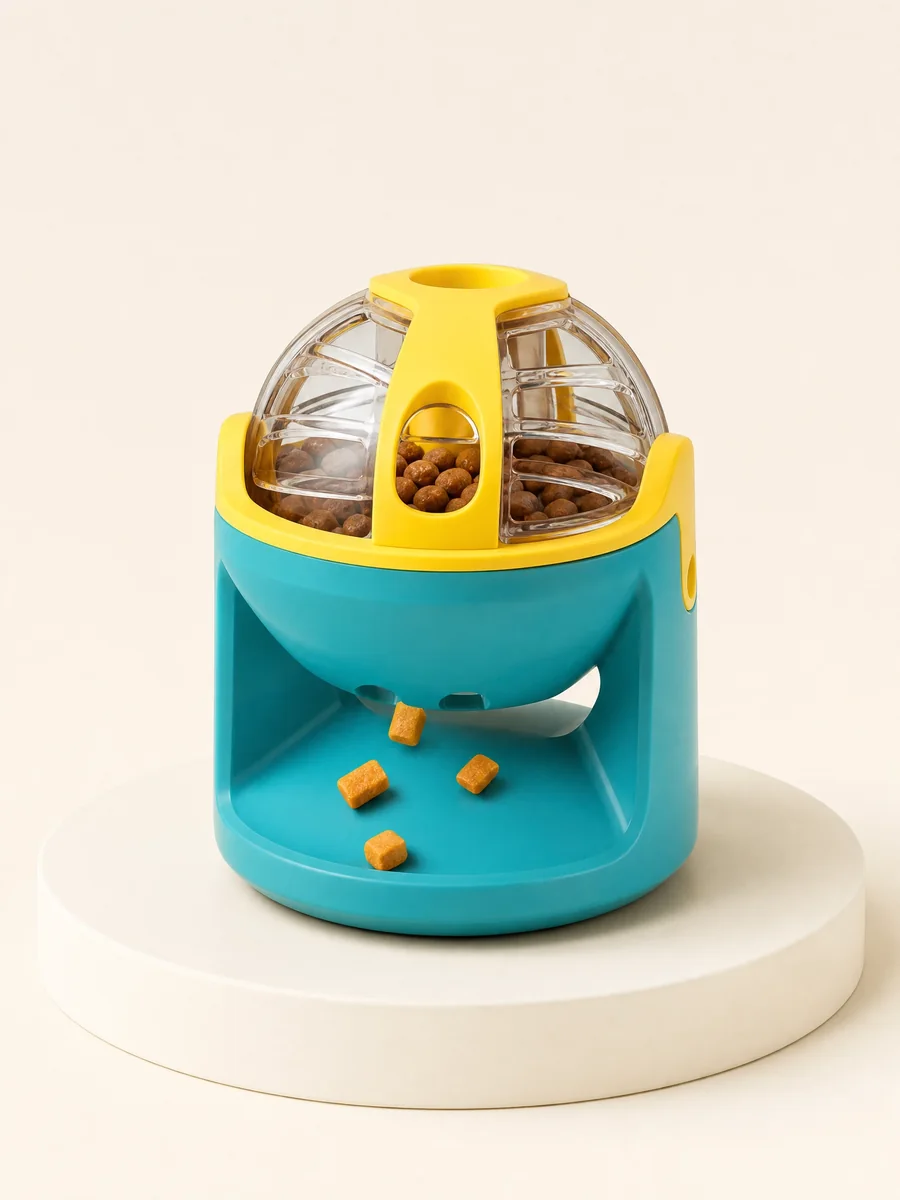
This guide is written for U.S.-market pet-product retailers, importers, distributors, and private-label buying teams who need a practical framework for sourcing dog water bottles and related feeding accessories at scale. It covers supplier screening, product specifications, material and component evidence, sampling and pilot-run checks, packaging and retail readiness, quality-control processes, commercial tradeoffs, and a clear buyer action plan. No product-performance or regulatory guarantees are made here—final compliance and market acceptance require buyer/importer confirmation.
Decision framework and buyer action plan
Sourcing dog water bottles bulk requires a structured decision flow until landing on commercial terms. Use this three-phase framework: Discover, Validate, Execute.
- Discover: identify product variants (size, dispensing type, materials), target margin and price band, target customers and retail channels, and non-negotiable requirements (e.g., BPA-free plastics, dishwasher-safe claims, or custom labeling limitations).
- Validate: vet suppliers, review technical evidence for materials and components, run controlled samples and a pilot production batch, verify packaging and label compliance, and define quality acceptance criteria.
- Execute: finalize purchase orders, confirm logistics (terms, INCOTERMS, lead times), set up inspection and testing protocol, and plan inventory release to sales channels.
Buyer action plan (concrete next steps)
- Create a short product brief: SKUs, colors, imprint, target FOB landed cost, and min order quantities.
- Build a 6–8 supplier shortlist using trade shows, industry directories, and referrals.
- Send an RFQ with technical checklist and request supplier evidence (material certificates, production photos, test reports).
- Approve 2–3 paid samples with a standardized evaluation protocol.
- Run a 200–500 unit pilot order for each approved design for QA and packaging validation.
- Establish an inspection and testing schedule: incoming, pre-shipment, and random post-arrival checks.
- Lock packaging and labeling artwork; confirm carton specs for retail-ready display if required.
- Scale with rolling forecasts and quality KPIs.
Use this framework to compare options such as private-label plain dog bowls wholesale programs or co-branded dog water bottle wholesale runs. Buyer/importer confirmation is required for final claims and regulatory obligations.
Supplier screening: evidence, capabilities, and vetting questions
Primary screening should reduce risk and save time. For dog water bottle manufacturer selection focus on capabilities, transparency and track record.
Must-have supplier evidence
- Business license and factory address with photos and organization chart.
- Production capacity and lead times for molds and repeat runs.
- ISO 9001 or similar quality-system evidence if available.
- Material declarations and third-party test reports for food-contact compliance, where claimed.
- Samples portfolio and references from other pet-product buyers.
Key vetting questions
- Can you supply a Certificate of Analysis (CoA) for polymer batches and metal alloys used in production?
- What are your standard MOQ and scalability for private-label colors and imprinting?
- Do you provide pre-production samples and production-line photos during the first runs?
- Which testing labs do you work with, and can you share recent test reports for the exact SKU?
- What are your lead times for tooling, sample approval, and full production?
Risk signals to avoid
- Suppliers that cannot provide objective material evidence (batch CoA, lab reports).
- Factory-only sellers without production photos or a willingness to host a factory visit or live video walk-through.
- Reluctance to commit to pre-shipment inspection or independent third-party testing.
Table 1 — Supplier quick-screen checklist
| Screening item | Pass / Fail |
|---|---|
| Valid business and factory address with verifiable photos | |
| Capacity to meet MOQ and scale | |
| Provision of material CoA and recent lab reports | |
| Willingness to provide paid samples and production photos | |
| Agrees to inspection and independent testing |
Document and store answers for negotiations. This checklist helps when comparing suppliers for dog water bottle wholesale or plain dog bowls wholesale lines.
Product specifications: design, materials, and SKU decisions
Define clear specifications before quoting. Ambiguity in tolerances, materials, and performance features causes delays and added costs.
Core spec elements
- Functional design: bottle capacity (ml/oz), nozzle type (push-button, flip-spout, open-mouth), leak-proof mechanism, one-handed operation, or integrated bowl.
- Materials: polymer grade (e.g., food-contact PP, Tritan-like copolyester), stainless-steel grade if metal bowls or parts are used (304 vs 316), silicone gasket material.
- Finish and post-process: printing (pad, silkscreen, UV), dye injection, texture, electroplating or powder-coating for metal parts.
- Tolerances and benchmarks: dimensional tolerances, flow rate (ml/sec) for drinking valve, and acceptable leak rate under pressure test.
- Labeling and regulatory text: country of origin, material composition, care instructions, and warnings as required by the market.
SKU strategy for retail fit
- Narrow assortment: 2 sizes × 2 colors × 1 dispensing type reduces complexity and lowers MOQ risk.
- Expand strategy: start with a core SKU set and plan biannual releases for seasonal colors or co-branding.
- Private-label options: offer dog bowls custom name printing or logo imprinting—confirm imprint methods (laser, pad print, or heat transfer) and durability standards.
Material tradeoffs table
| Material | Benefits | Typical drawbacks |
|---|---|---|
| Food-grade plastic (PP, PET, copolyesters) | Low cost, lightweight, easy to mold and color | Potential perception issues; verify food-contact compliance |
| Silicone components (seals, valves) | Soft-touch, good sealing properties | Higher unit cost; aging properties should be tested |
| Stainless steel (304) | Durable, perceived premium, easy to clean | Higher weight and unit cost; thermal conductivity |
When specifying plastics, request specific resin grades and supplier lot numbers. Confirm whether claims like “BPA-free” or “dishwasher-safe” will be supported by test reports. Buyer/importer confirmation is required for final marketing and compliance statements.
Material and component evidence: test reports and traceability
Buyers must require traceable evidence. A lab report for “food-contact safe” must reference the exact SKU, batch, and testing standards.
Acceptable evidence types
- Certificate of Analysis (CoA) from resin supplier with lot number and composition.
- Third-party lab test reports for migration, heavy metals, and BPA where applicable. Tests should reference the SKU and include photos or sample IDs.
- Material Safety Data Sheet (MSDS) for additives or coatings.
- For metal parts, material mill test certificates indicating stainless-steel grade and composition.
- Production-line photos and component part numbers for complex assemblies (e.g., valve assemblies).
Testing standards and labs
- Ask suppliers to test against recognized U.S. or international standards for food contact materials. For some claims, FDA guidance on food-contact substances is relevant; buyer confirmation is required to interpret applicability to pet water bottles 1.
- For heavy metals or toxic substances, request screening using accredited labs with ISO/IEC 17025 scope.
Traceability workflow
- Supplier provides raw material CoA and production batch ID.
- Supplier or buyer commissions third-party testing on a retained sample from the production batch.
- Results are archived and attached to the PO; upstream traceability is required for recalls or claims.
Do not accept generic “we comply” statements without documentation. Require lab reports that include limits tested, methods used, sampling protocol, and lab accreditation.
Sampling, pilot-run checks, and performance evaluation
Paid samples and a pilot-run are essential to validate manufacturability, packaging, and commercial fit.
Sampling checklist
- Pre-production proto sample: usually printed or assembled from existing components to check fit and finish.
- Engineering sample: manufactured from intended production molds/materials to validate tooling.
- Full-function sample: complete unit tested for leak, flow, and ergonomic use under controlled test procedures.
- Packaging sample: retail-ready box and inner carton, with barcode and any hang-tag or display features.
Standard tests to run on samples
- Leak test: subject filled bottles to 2× expected shipping pressure and tip/rolling tests.
- Valve durability: open/close cycles to a defined lifecycle number (e.g., 10,000 cycles) or an agreed threshold.
- Impact/drop test: from shelf height to simulate handling.
- Washing/chemical exposure: dishwasher cycles if claiming dishwasher-safe; exposure to common cleaning agents.
- Printing adhesion: rub test for logos or custom names (important for dog bowls custom name programs).
Pilot-run best practices
- Order 200–500 units per SKU for a pilot. This reveals production variation, packaging fit, and labeling errors that single samples can miss.
- Use the pilot to validate pick-and-pack processes and carton optimization for freight cost.
- Run a third-party inspection (AQL or tightened criteria) at the pilot stage before scaling.
Evaluation scorecard (example)
| Metric | Target | Pilot result |
|---|---|---|
| Leak rate under test | 0% | |
| Valve function after 5,000 cycles | No failure | |
| Visual defect rate | <1% | |
| Packaging damage in transit test | 0% |
Retain sample sets from each pilot batch for future reference and potential dispute resolution.
Packaging, retail readiness, and labeling
Packaging choices affect shelf presence, freight, and returns. Optimize for retail channel (e-commerce, mass, specialty) and ensure compliance for any label claims.
Decisions to make
- Retail-ready vs bulk cartons: retail-ready boxes with hang holes vs inner polybag and plain master cartons.
- Display footprint: tray or pegboard compatibility, multipack options, and shelf-ready carton design.
- Barcode and SKU management: UPC/GTIN allocation and placement; if private-labeling, ensure codes are assigned before production.
- Graphic proofs: finalize dielines, print colors, and placement for warning text and legal content.
Packaging durability and sustainability
- Carton strength: define board grade, bursting strength, and cushion material for the expected shipping route.
- Recyclability claims: if marketing packaging as recyclable, confirm local recyclability and provide supporting material evidence.
- Minimal packaging strategies must still protect product integrity and comply with retail vendor packaging specs.
Table 2 — Packaging option quick comparison
| Option | Best for | Unit cost impact | Freight impact |
|---|---|---|---|
| Retail-ready printed box with hang tab | Specialty stores, premium shelf presence | Higher | Higher per unit |
| Plain inner polybag + printed master carton | Online fulfillment, low cost | Low | Lower density efficiency |
| Blister / clamshell | High visibility, tamper-evident | High | Increased volumetric weight |
Label and legal content
- Required information may include country of origin, material composition, and safe use instructions. Buyer confirmation required for final labeling and regulatory text.
- Avoid unverified or absolute claims (e.g., “100% leak-proof” or “veterinarian-recommended”) unless they are demonstrably supported by documented evidence and legal review.
Quality control, inspection, and commercial tradeoffs
Quality assurance balances cost, speed, and risk. Define clear acceptance criteria aligned with your channel and customer promise.
Inspection tiers
- Incoming material checks: verify resin batch CoA and key dimensions for metal parts.
- In-process checks (during run): dimension checks, visual inspection, and random functional test.
- Pre-shipment inspection: third-party AQL inspection with agreed levels, plus a small functional test sample set.
- Post-arrival sampling: random checks on landed inventory and returns analysis.
AQL and tightened criteria
- For new suppliers or high-risk SKUs set tightened AQL (e.g., 1.0 or 0.65 for critical defects).
- For established suppliers with consistent performance, standard AQL levels like 2.5 for major defects may be acceptable.
Commercial tradeoffs to consider
- Price vs material grade: lower-cost polymers reduce unit cost but may lead to higher failure rates or poor aesthetics.
- Lead times vs MOQ: faster tooling and air freight reduce time-to-market but increase landed cost.
- Customization vs inventory complexity: dog bowls custom name or logo imprint options raise MOQ and tooling costs; balancing personalization with core plain dog bowls wholesale SKUs is prudent.
- Warranty and returns terms: tighter warranty expectations increase cost of customer service and reverse logistics.
Sample KPIs to manage suppliers
- On-time delivery rate (%)
- Defect rate per 10,000 units
- Time to resolution for quality incidents (days)
- Cost per defective unit (landed)
Set up a scorecard and review it quarterly with suppliers. Include clauses in contracts for remediation, repeat runs, and tooling ownership if applicable.
Frequently asked questions
Q: What minimal sample quantity should I request before placing a bulk order? A: Request at least three types of samples: prototype, engineering, and a full-function sample. For meaningful validation, plan a 200–500 unit pilot order before committing to full-scale production.
Q: Can suppliers provide custom imprinting for dog bowls custom name programs? A: Yes, many suppliers offer imprinting methods (pad print, laser engraving, heat transfer). Confirm durability testing and minimum quantities for each method with the supplier.
Q: How do I balance price against quality when sourcing plastic dog bowls bulk? A: Define non-negotiable material and performance standards first, then evaluate suppliers on price to meet those standards. Lower price without supporting evidence of material and test reports increases risk.
Q: Do I need third-party testing for food-contact claims? A: Third-party testing is strongly recommended for any food-contact or safety claims; obtain reports tied to the SKU and batch. Buyer/importer confirmation is required to interpret applicability for your target market.
Conclusion
Sourcing dog water bottles bulk and complementary pet feeding accessories demands a disciplined, evidence-based approach. Prioritize a clear specification, insist on material and testing traceability, and validate suppliers with paid samples and a pilot run. Packaging choices and inspection protocols shape cost, presentation, and risk. Apply a buyer action plan: brief, shortlist, RFQ with evidence requests, controlled sampling, pilot order, and defined QC inspections. Balance commercial tradeoffs—price, customization, lead time, and MOQ—against your brand and channel needs. Always confirm final compliance, labeling and market obligations as a buyer/importer; this guide does not substitute for legal or regulatory consultation.
Buyer search scope
This guide addresses the following U.S. B2B procurement search phrases. Each phrase is considered in the context of supplier selection, product specifications, samples, packaging and quality evidence rather than as a consumer recommendation.
| Search phrase | Buyer use |
|---|---|
| dog water bottles bulk | Primary procurement focus for this guide |
| dog bowls custom name | Related specification, supplier or range-planning query |
| plastic dog bowls bulk | Related specification, supplier or range-planning query |
| plain dog bowls wholesale | Related specification, supplier or range-planning query |
| metal dog bowls bulk | Related specification, supplier or range-planning query |
| dog water bottle wholesale | Related specification, supplier or range-planning query |
| dog water bottle manufacturer | Related specification, supplier or range-planning query |
Final CTA — Prepare a focused pet feeding accessories sourcing brief with PawViso.
Share your target U.S. channel, product format, estimated order structure, packaging direction and customization requirements for a practical B2B discussion.
Email: info@PawViso.com
WhatsApp: +86 186 8106 4480
Related PawViso resources
- Continue with How to Source Slow Feeders for Dogs and Cats to compare a related supplier, sample and quality-control route.
- Browse the PawViso product catalogue to identify product formats for your purchasing brief.
- Follow the PawViso sourcing process and review the B2B buyer FAQ before sharing requirements.
External reference
Use ISO 9001 quality-management systems guidance as general quality-system context, and confirm the product-specific evidence that applies to the selected SKU, channel and target market.